.png)

.png
)
+971 6 7499 766 , +971 56 762 9444
info@aljurfmedicalcenter.ae
 Head Office
Al Jurf Medical Center
Ground & First Floor
Jurf, Beside Ajman Muroor
University Street, Ajman, U.A.E
Book your appointments online with Al Jurf Medical Center for fast, convenient, and hassle-free healthcare services.

 Book an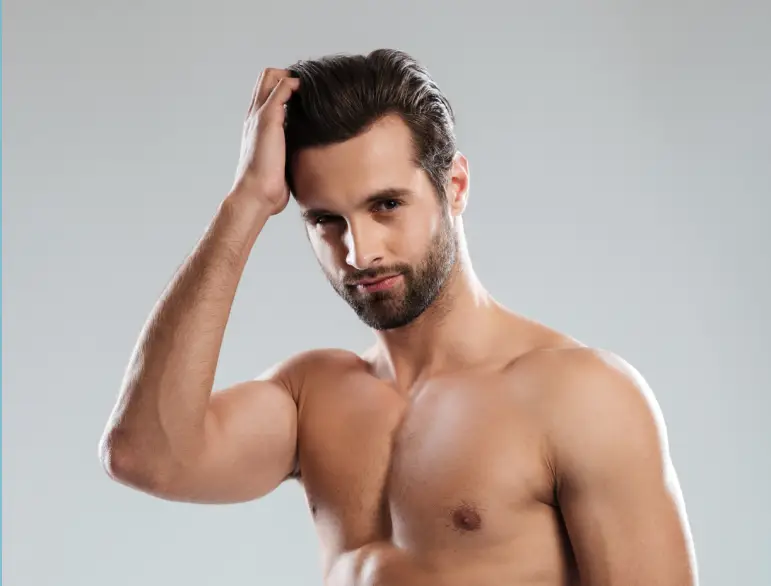
Achieve a perfectly groomed appearance with full-body laser treatment tailored to your needs — ideal for men seeking convenience, hygiene, and a polished look.
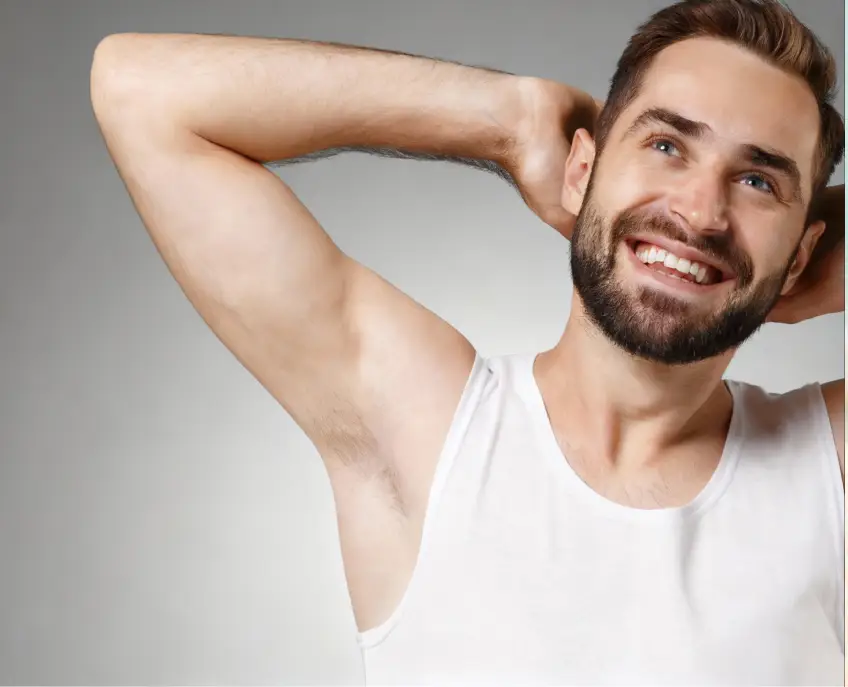
Enjoy lasting freshness and comfort with hair-free underarms, reducing sweat and odor effectively.
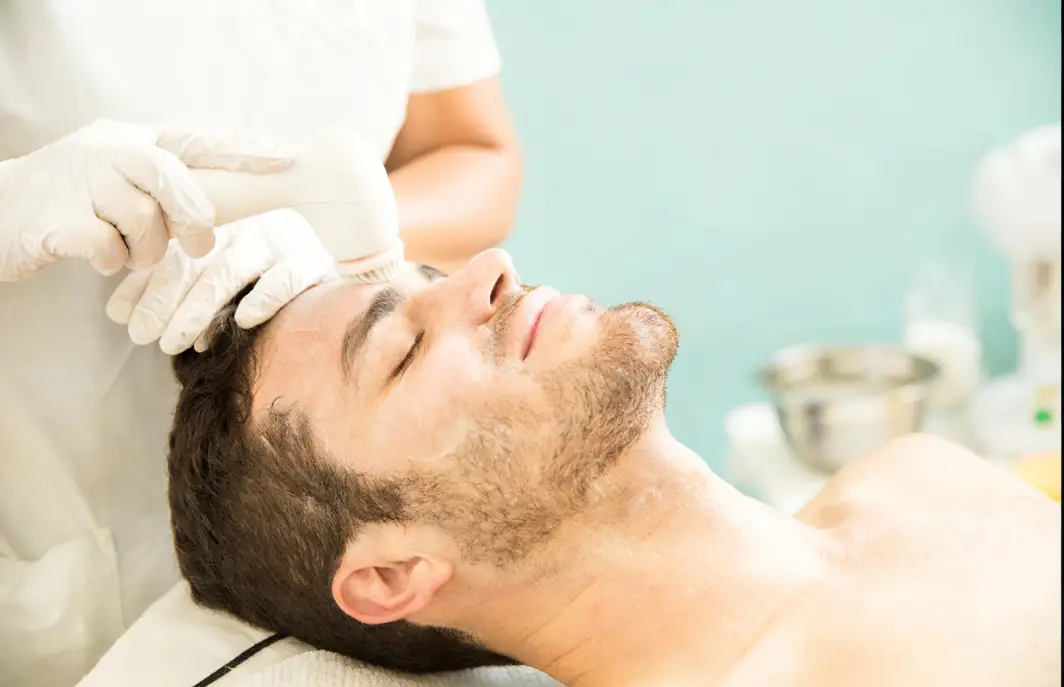
Eliminate unwanted facial hair and ingrown hairs for smoother skin and an even-toned, refreshed appearance.

Define your beard line with precision and maintain a sharp, clean look without daily shaving irritation. Perfect for creating a well-groomed, masculine style.
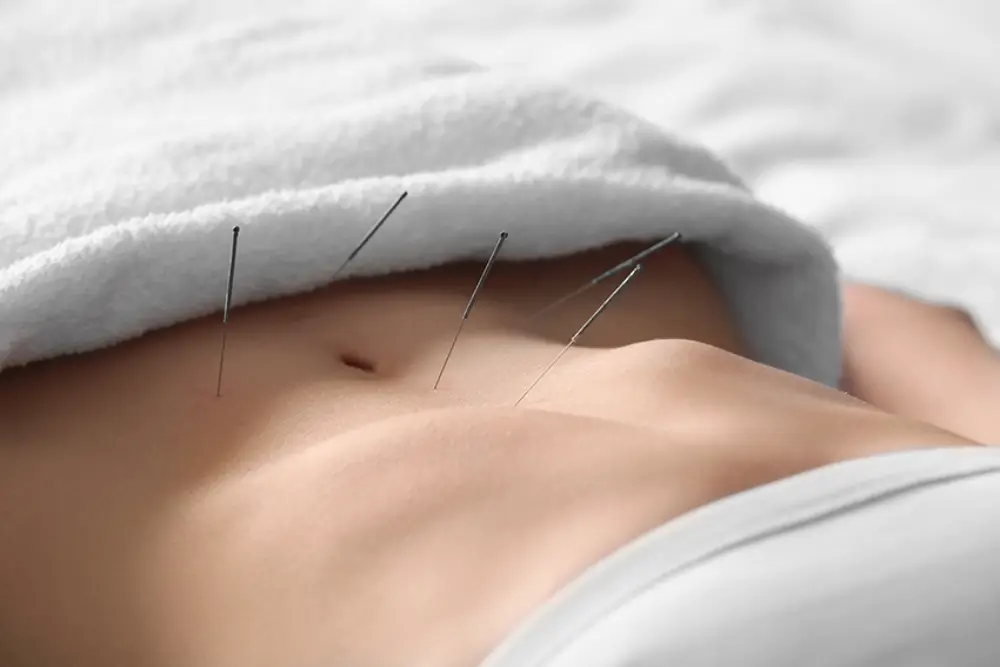
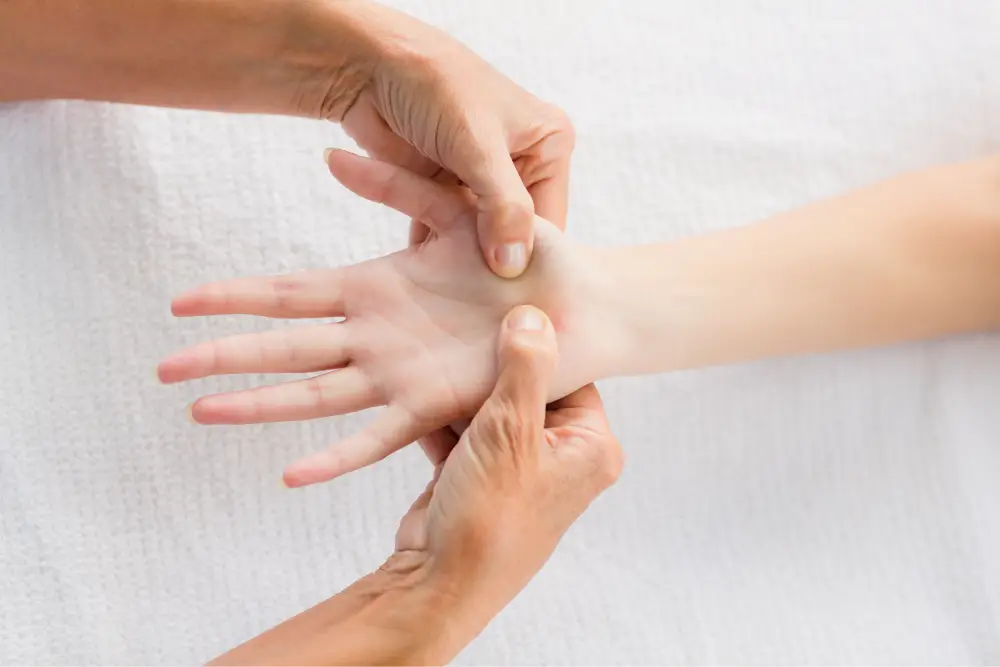

A time-tested therapy that stimulates specific points on the body using fine needles to improve energy flow, reduce pain, and support overall health. Acupuncture is effective for:

A traditional practice that involves suction cups placed on the skin to detoxify the body, improve circulation, and alleviate pain. Benefits include:

Experience the healing power of Ayurveda, an ancient system of medicine that focuses on natural therapies, herbal treatments, and personalized wellness plans. Our expert practitioners provide:

Achieve optimal health through a range of wellness programs designed to rejuvenate and revitalize. Our wellness therapies include:

Embrace the transformative power of Yoga with our certified instructors. We offer:

Calm your mind and nourish your soul with guided meditation practices. Our meditation programs include:

Strengthen your core and improve posture with our Pilates sessions. Our offerings include:

Discover the gentle and effective approach of Homeopathy, a natural healing system that stimulates the body's self-healing abilities. Our treatments include:

Harness the healing power of nature with Naturopathy. We offer:


All implants are placed using CBCT with Digital planning and Surgically Guided


Our P-Shot treatment is a safe and advanced procedure designed to enhance sexual wellness and improve intimate health. Using platelet-rich plasma (PRP) therapy, it stimulates natural tissue regeneration, healing and increases sensitivity, and promotes overall confidence. Each session is personalized by our specialists to ensure safety, comfort, and effective results.

Our HydraFacial treatment offers a comprehensive solution for deep cleansing, exfoliation, hydration, and skin rejuvenation. Using advanced hydradermabrasion technology, it removes impurities, nourishes the skin, and restores a radiant, healthy glow, tailored to each patient’s unique skin needs.

Our Mole and Wart Removal service provides safe and effective solutions to eliminate unwanted skin growths. Using advanced techniques, we ensure precise removal with minimal discomfort, promoting healthy, smooth skin while prioritizing patient safety and care.

Our PRP therapy harnesses the healing power of your own blood to stimulate tissue regeneration, improve skin texture, and promote natural rejuvenation. This safe and effective treatment is personalized by our specialists to enhance hair growth, wrinkles, and restore a youthful, radiant appearance.

Our Filler treatment provides a non-surgical solution to restore volume, smooth wrinkles, and enhance facial contours. Using advanced dermal fillers, our specialists deliver natural-looking results tailored to each patient’s unique features, ensuring safety, precision, and a rejuvenated appearance.

P-Filler treatment is an advanced aesthetic gynecological procedure designed to rejuvenate and enhance the intimate area using specially formulated injectable fillers. These fillers help restore volume, improve hydration, and increase firmness in the vaginal and vulvar tissues.
The treatment promotes collagen production, enhances elasticity, and improves overall comfort and appearance. P-Filler therapy is commonly used to address concerns such as dryness, laxity, or volume loss caused by aging, childbirth, or hormonal changes.
It is a safe, minimally invasive, and quick procedure with minimal downtime, offering long-lasting results and improved confidence in intimate wellness.

Our Bikini Area Whitening treatment offers a safe and effective solution to lighten and even out the skin tone in sensitive areas. Using advanced, gentle techniques, our specialists ensure smooth, radiant results while prioritizing comfort, safety, and personalized care.

Our Botox treatment provides a non-surgical solution to reduce fine lines and wrinkles, restoring a smooth, youthful appearance. Administered by our experienced specialists, it delivers natural- results with precision, safety, and minimal downtime.

Our Thread Lift treatment offers a non-surgical solution to lift, tighten, and rejuvenate sagging skin. Using advanced absorbable threads, our specialists provide natural-looking results, enhancing facial contours safely and effectively with minimal downtime.

Our HIFU treatment provides a non-invasive solution for lifting, tightening, and contouring the skin. Using advanced focused ultrasound technology, it stimulates collagen production, reduces sagging, and restores a youthful appearance with minimal downtime and lasting results.

Our Jalupro treatment is an advanced skin rejuvenation therapy that improves elasticity, hydration, and overall radiance. Using specialized acid and hyaluronic acid formulations, it stimulates collagen production, smooths fine lines, and restores a youthful, healthy glow tailored to each patient’s skin needs.

Our Exosome therapy for the face and scalp harnesses powerful regenerative proteins to stimulate cell repair, collagen production, and tissue rejuvenation. This advanced treatment promotes healthier skin, reduces signs of aging, and supports hair growth, providing safe, effective, and personalized results for each patient.

Our Regenera Activa treatment is an advanced regenerative therapy that promotes natural tissue repair and hair restoration. Using micrografts of the patient’s own cells, it stimulates growth, enhances scalp health, and provides safe, effective, and personalized results for stronger, thicker hair.

Our Profhilo treatment is an advanced skin remodeling therapy that hydrates, firms, and rejuvenates the skin. Using high-quality hyaluronic acid, it stimulates collagen and elastin production, improving elasticity, smoothness, and overall radiance for a youthful, natural-looking glow.

Our Microneedling treatment is a minimally invasive therapy that stimulates collagen production and skin regeneration. It effectively reduces fine lines, acne scars, and uneven texture, promoting smoother, firmer, and rejuvenated skin tailored to each patient’s unique needs.

Microneedling helps boost collagen, reduce acne scars, and improve skin texture naturally. Get smoother, brighter, youthful-looking skin with minimal downtime!
HIFU is a non-surgical skin tightening treatment that uses focused ultrasound energy to lift and firm the skin naturally. It stimulates collagen production, reduces fine lines and wrinkles, and enhances skin elasticity, giving you a youthful, contoured appearance without downtime or invasive procedures.

Our Plasmagera treatment is an advanced regenerative therapy that uses platelet-rich plasma (PRP) and stem cells to stimulate tissue repair and rejuvenation. It promotes blood circulation , hair follicles growth, providing safe, effective, and personalized results for a youthful and revitalized appearance.

Our Sculptra treatment is a revolutionary dermal filler that stimulates natural collagen production to restore facial volume and smooth deep wrinkles. It provides gradual, long-lasting results, enhancing contours and promoting a youthful, refreshed appearance tailored to each patient’s unique needs.

Our Subcision treatment is a minimally invasive procedure designed to treat deep acne scars and depressed skin irregularities. By gently releasing fibrous tissue beneath the skin, it promotes natural healing and collagen formation, resulting in smoother, more even, and rejuvenated skin.
Our Thread Lifting treatment offers a non-surgical solution to lift, tighten, and rejuvenate sagging skin. Using advanced absorbable threads, our specialists enhance facial contours, stimulate collagen production, and deliver natural-looking results with minimal downtime.

Our Mesotherapy treatment delivers targeted nutrients, vitamins, and hyaluronic acid directly into the skin to rejuvenate, hydrate, and revitalize. This minimally invasive therapy improves skin texture, reduces fine lines, and promotes a healthy, radiant, and youthful appearance tailored to each patient’s needs.

Our HydraFacial and Carbon Peel treatments provide deep cleansing, exfoliation, and rejuvenation for a radiant, healthy complexion. Using advanced technologies, these therapies remove impurities, refine pores, and stimulate skin renewal, delivering smoother, brighter, and revitalized skin tailored to each patient’s unique needs

Our Dermal Fillers and Botox treatments offer non-surgical solutions to restore facial volume, smooth wrinkles, and enhance natural contours. Administered by our experienced specialists, these treatments provide precise, safe, and effective results, helping patients achieve a youthful, refreshed, and natural-looking appearance.

Experience total body smoothness with a comprehensive treatment that removes unwanted hair from head to toe, enhancing skin texture and tone.

Enjoy soft, hair-free underarms that help reduce odor and irritation, giving you long-lasting freshness and confidence.

Stay confident and comfortable with precise, safe, and hygienic hair removal in the bikini area, customized to your preferred style.

Achieve a flawless, glowing complexion by gently removing unwanted facial hair and preventing ingrown hairs for a silky-smooth finish.

Experience the perfect blend of science and aesthetics with BTL Exilis Ultra 360, a revolutionary non-surgical treatment for fat reduction and facial contouring. This advanced technology combines radiofrequency and ultrasound energy to target stubborn fat, tighten skin, and enhance natural facial and body contours — all without pain or downtime. The treatment effectively reduces unwanted fat deposits, stimulates collagen production, and improves skin elasticity, giving you a smoother, firmer, and more youthful appearance. Whether it’s refining facial features, sculpting the jawline, or contouring the body, Exilis Ultra 360 delivers precise and consistent results. Safe, comfortable, and suitable for all skin types, this treatment is ideal for those looking to reshape, tone, and rejuvenate their body and face naturally. Feel confident with visible improvements and long-lasting results after just a few sessions.
Our Microneedling and PRP Therapy combine advanced techniques to stimulate collagen production, rejuvenate the skin, and promote natural healing. This powerful duo effectively reduces fine lines, acne scars, and uneven texture, leaving the skin smoother, firmer, and radiant.

Our Chemical Peel treatments use advanced formulations to exfoliate dead skin cells, reduce pigmentation, and improve skin texture. They help reveal smoother, brighter, and rejuvenated skin while addressing fine lines, acne scars, and uneven tone for a healthy, radiant complexion.

Our Laser Treatments offer advanced solutions for skin rejuvenation, hair removal, and pigmentation correction. Using precise, state-of-the-art technology, these treatments target specific concerns safely effectively, delivering smooth, radiant, and healthy-looking skin.

Our RF treatment provides a non-invasive solution to tighten skin, reduce wrinkles, and stimulate collagen production. Using advanced radiofrequency technology, it improves skin elasticity and contours, delivering a firmer, smoother, and rejuvenated appearance with minimal downtime.
Our RF Microneedling treatment combines microneedling with radiofrequency energy to rejuvenate the skin, reduce scars, and tighten sagging areas. This advanced procedure stimulates collagen production, improves texture, and delivers smoother, firmer, and youthful-looking skin with minimal downtime.

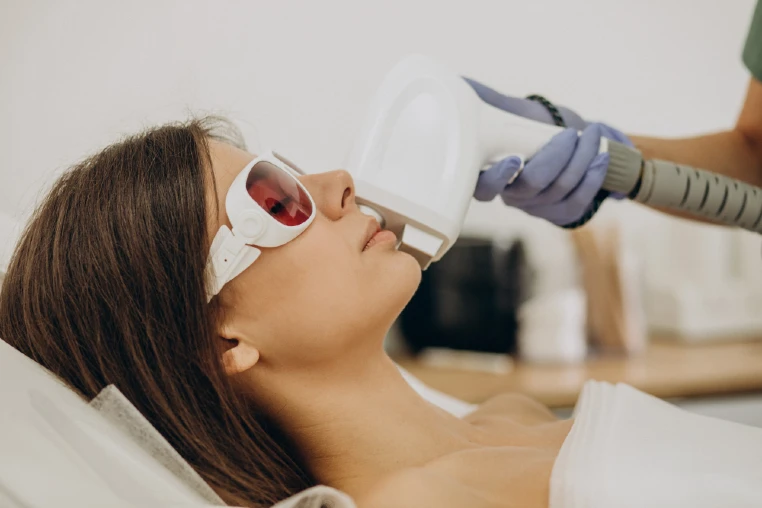 Laser Skin Treatments in Ajman
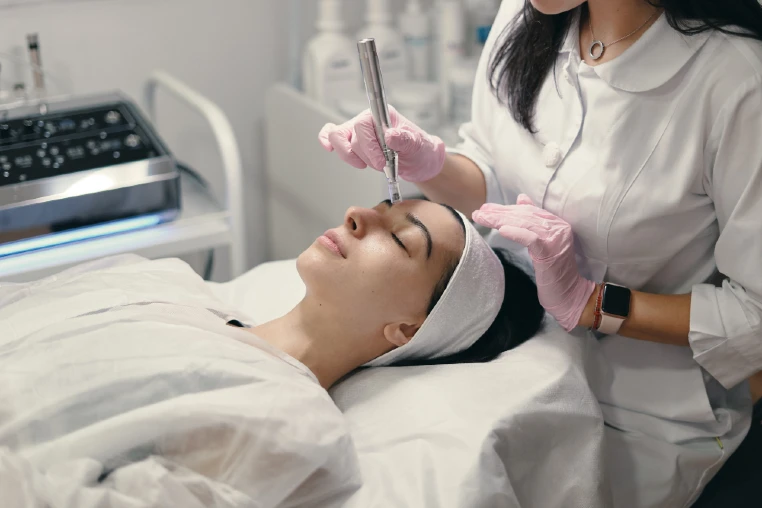 Hydrafacial vs Regular Facial
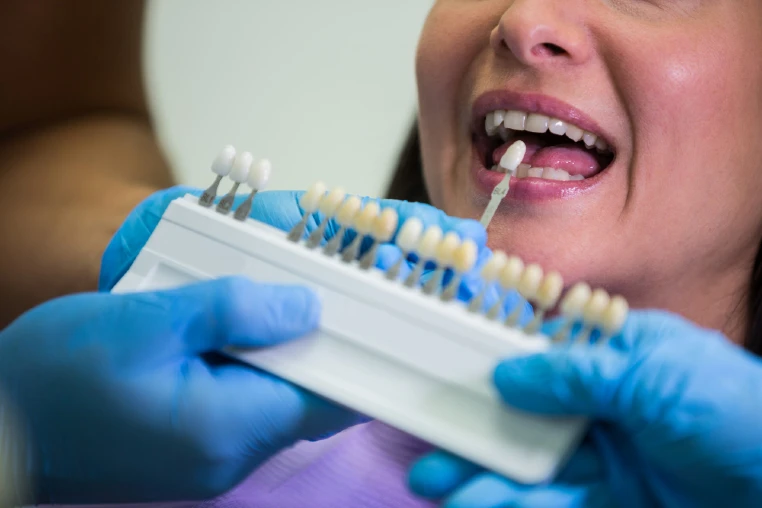 Dental Implants vs Bridges