
There is a reason dentists and dental hygienists around the world consistently name professional teeth cleaning as the single most impactful preventive appointment a patient can make. It is not because it makes your teeth shine, although it does. It is because the tartar and calcified deposits that build up on your teeth over time are biologically active environments that harbour the bacteria responsible for gum disease, bone loss, and ultimately tooth loss. No toothbrush, regardless of how advanced, can remove hardened tartar once it has formed. Only a professional cleaning can.
At Al Jurf Medical Center in Ajman, professional teeth cleaning is a core part of what we do. It takes 30 to 60 minutes, it is comfortable for the vast majority of patients, and the results in terms of how your mouth feels and how your gums respond are immediately noticeable.
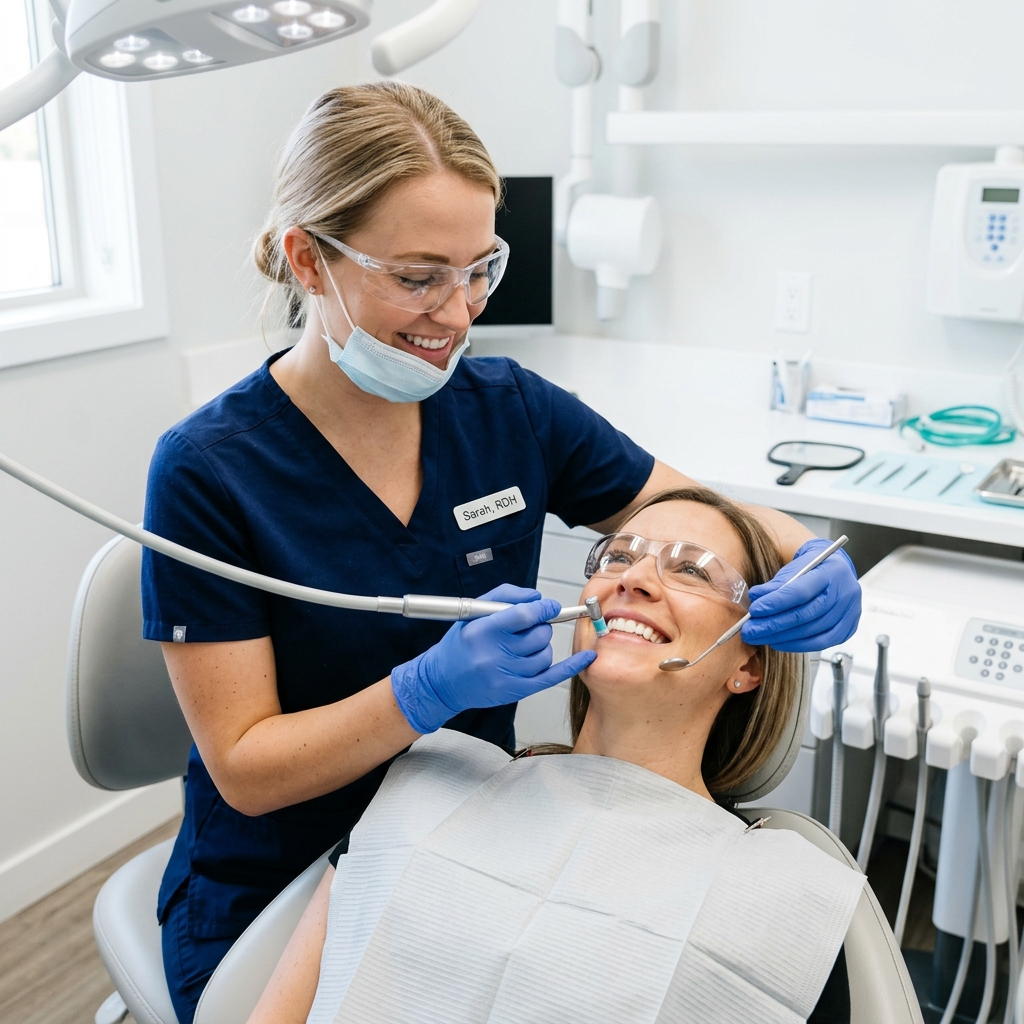
Understanding exactly what is involved tends to make people far less anxious about booking the appointment. Here is the process from start to finish.
Before cleaning begins, your dentist or hygienist examines your gums, checking for pocket depth around each tooth. This baseline measurement tells us where inflammation and early gum disease may be present and informs how the cleaning is approached.
An ultrasonic scaler uses high-frequency vibration combined with a water spray to break up and flush away the tartar deposits that have accumulated above and below the gumline. This is the most effective way to remove calculus that has hardened over months or years. The instrument does not scratch the enamel when used by a trained clinician.
Fine hand instruments are used to carefully clean around the contours of each tooth and just below the gumline, reaching the areas where plaque and calculus tend to hide. This step ensures precision around restorations, implants, and in tight interproximal spaces.
A professional polishing paste is applied using a rubber cup attachment, removing surface stains from tea, coffee, and food pigments, and smoothing the tooth surface to slow future plaque accumulation.
Professional flossing cleans the contact points between each tooth. A fluoride varnish is applied where appropriate, strengthening enamel and providing additional protection against decay.
Plaque is the soft, sticky film of bacteria that forms on teeth within hours of eating. Brushing and flossing remove plaque effectively when done correctly. The problem is that plaque that is not removed begins to mineralise within 24 to 72 hours, hardening into calculus or tartar. Once calculus has formed, it bonds to the tooth surface and can only be removed by professional instruments.
Tartar accumulates constantly, even in patients with excellent home hygiene. Some people accumulate it faster than others due to factors including saliva chemistry, diet, certain medications, and genetics. This is not a reflection of how well someone brushes. It is simply biology, and it is why professional cleaning at regular intervals is necessary regardless of how thorough your home routine is.
24 to 72 Hours: The critical window in which soft plaque mineralizes and hardens into tartar, bonding permanently to the tooth surface.
Once mineralized, no toothbrush or home dental tool can scrape tartar away safely. Professional intervention is required to protect your gums.
The research on this is extensive and unambiguous. Untreated gum disease — the direct consequence of unmanaged tartar and bacterial overgrowth — is independently associated with increased risk of cardiovascular disease, type 2 diabetes complications, adverse pregnancy outcomes, respiratory infections, and cognitive decline. The bacteria in inflamed gum tissue release inflammatory markers that enter the bloodstream and create systemic effects throughout the body.
Regular professional cleaning is not purely a dental matter. It is a meaningful contribution to your overall health. Patients who maintain twice-yearly cleanings consistently show better gum health markers and a lower incidence of the associated systemic conditions.
Pay close attention to changes in your mouth. You should schedule a professional scaling and polishing if you notice any of the following symptoms:
The answer depends on your individual gum health and risk profile. For most healthy adults, every six months is ideal. Patients with a history of periodontitis, those who wear braces, smokers, diabetics, and patients on medications that cause dry mouth are typically advised to have cleanings every three to four months. Your dentist will advise you on the right frequency after your initial assessment.
Regular teeth cleaning is one of the most affordable treatments in dentistry. The cost of two cleanings per year is a fraction of the cost of treating the gum disease, tooth decay, or tooth loss that results from skipping them.
Contact our reception team to confirm your insurance coverage before your appointment.
Book AppointmentEverything you need to know about the professional teeth cleaning experience at Al Jurf Medical Center.
For most patients it is completely comfortable. If you have significant tartar buildup or inflamed gums, there may be some sensitivity during the process, but this is temporary. Topical numbing gel is available for particularly sensitive patients.
Between 30 and 60 minutes depending on how much buildup is present. We will give you a time estimate when you book.
Professional teeth cleaning performed by a qualified dentist or hygienist does not damage enamel. The instruments are designed to remove deposits from the surface without abrading the tooth itself.
Yes, and it is strongly recommended. Pregnancy hormones increase susceptibility to gum inflammation and pregnancy gingivitis. Keeping your gums healthy during pregnancy benefits both you and your baby.
The polishing step removes surface stains, which can reveal noticeably brighter teeth. For patients who want a more dramatic whitening result, we also offer professional teeth whitening, which can be discussed at your appointment.